Ba Be National Park
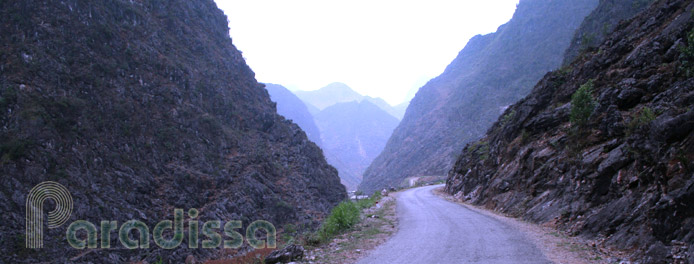
Ba Be National Park is 270 km north east of Hanoi. The whole area is of towering limestone mountains with evergreen forests alternated by flat low land. The elevation is from 150-m to 1098-m above the sea level.
The center of the national park is Ba Be Lake, meaning the big lake of Pe Leng, Pe lu and Pe Lam lakes. The lake is with numerous small inlets and islets, stretching for nearly 8 kilometres north to south, 150-m above the sea level with the average depth ranging between 17 to 23m and some places up to 35m.The lake is fed byTa Han, Bo Lu and Leng Rivers. The water of Ba Be Lake drains into the Nang River. In rainy seasons, the water may flow from the Nang River into the lake. The water is hence in constant motion state; this makes it fresh and clean all year round.
Ba Be National Park is home to rich flora and fauna systems. The flora include the threatened Burretiodendron hsienmu, Streblus tonkinensis among which the climbing bamboo (Ampelocalamus sp) is endemic to the region and often found on hill slopes that lie adjacent to the lakeside.
The fauna system is rich and includes many endangered species. The most important mammal species for conservation are the Francois’ Langur (Trachypithecus francoisi) and Owston’s Banded Civet (Hemigulus ownstoni). The Vietnamese Salamander (Paramesotriton deloustali) was recently discovered in streams in the buffer zone of the national park. These were the first records for these Tam Dao National Park endemic species. The national park is also notable for its considerable butterfly diversity, for which to date over 300 species have been recorded.
The area around Ba Be National Park is also inhabited by some colorful ethnic groups with very traditional lifestyle.
Tay 58%
Dzao 21%
Mong 13%
Nung 7%
Kinh 1%
The local ethnic diversity combines with the perfectly fresh eco system makes Ba Be National Park an ideal destination for nature and culture travelers.