

Ho Chi Minh City Holiday Weather today
Date/time of update: February 16, 2026, 12:49 am, Timezone: GMT+7
Light Rain

Temperature: 26.71°C
Temperature feels like: 28.88°C
Minimum Temperature: 26.01°C
Maximum Temperature: 26.71°C
Atmospheric pressure: 1011hPa
Humidity:77%
Visibility: 10000m
Wind speed: 3.6m/sec
Wind Direction: 70 degrees
Cloudiness: 0%
Sunrise: 2026-02-15 11:13:43
Sunset: 2026-02-16 11:01:25
Ho Chi Minh City still called Saigon by the locals is the biggest city and the economic center of Vietnam. Ho Chi Minh City spreads its way on the banks of the Saigon River and has always been busy with trade since its formation. The areas more interesting to the travellers include the riverside, the city center and China Town.
Saigon Ho Chi Minh City Travel Guide Overview
The city center and the riverside boast the glittering skyscrapers which are home to deluxe apartments, offices and luxury hotels. The riverside can best be viewed from a boat cruising on the Sai Gon River at night. The city center is where many of the city’s tourist attractions, hotels, fine-dining restaurants and buzzing night life are found.
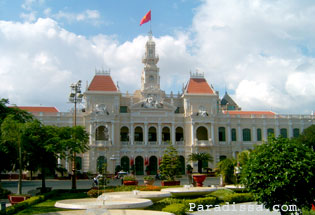
Ho Chi Minh City Hall
There are some rooftop restaurants and bars in the center which can offer the panoramic view of the city from above. China Town is home to the biggest Chinese Community in Vietnam with Chinese-styled temples and pagodas full of atmosphere.
Best time to visit Ho Chi Minh City
The good time to travel to Sai Gon is all year round; the sun shines everyday in this city. But the better time is from December to April as it’s less humid and more pleasant temperatures. From May to December it’s more humid and it rains about 1 hour everyday. There are hardly any storms or typhoons in Ho Chi Minh City.
History
Sai Gon started its history in late 17th century. It had been a swampy area before that. Thanks to the convenient location with easy transportation both by land and by waterway, Sai Gon quickly turned into a busy commercial port. In the 19th century, Vietnam was invaded by the French and Sai Gon was turned into the economic center of French Indochina.
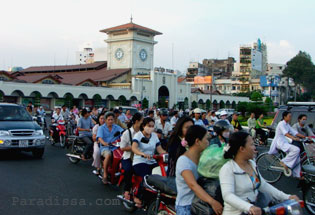
The Ben Thanh Market
After 1954, the French lost the war and gave up the control of Indochina; Vietnam was divided into the North and the South. Sai Gon then was the capital city of South Vietnam Republic. With large amount of US Dollars poured into South Vietnam, Sai Gon was one of the wealthiest cities in Asia and was nicknamed the “Pearl of the Orient”.
The city was also on the headlines every day for many years showing the wrath of war to the World. In 1975 Vietnam was reunified and the parliament of the newly re-unified Vietnam decided to change the name to Ho Chi Minh City, honoring the country’s leader and his dream to reunify the country. Still many locals would refer to it as Sai Gon or just city for short nowadays.
Traveling in Vietnam you can call it with either name. Both are understood and loved by the Vietnamese. For some locals, Sai Gon would bring back nostalgia of the charming old city, while Ho Chi Minh City would refer to the young, energetic and bustling one.
Vietnam is making its way to be a new economic tiger in Asia, Ho Chi Minh City or Sai Gon is turning itself again into one of the biggest international hubs in the region. There’s no doubt that Sai Gon is regaining its position as the “Pearl of the Orient”.
Ho Chi Minh City Travel Guide, Major Tourist Attractions in Ho Chi Minh City
1/ The Reunification Palace
The Reunification Palace was the seat of the Government of South Vietnam Repulic during the war. Visiting the site you can learn a lot about the history of Vietnam at the time.
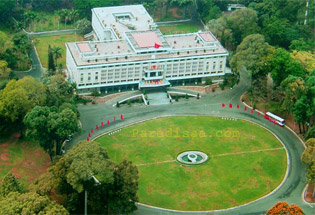
The Reunification Palace in Saigon Vietnam, once the headquarters of South Vietnam Republic
2/ The War Remnants Museum
The War Remnants Museum used to be called the War Crimes Museum with poignant reminders of the war and with the sufferings people had during the war.
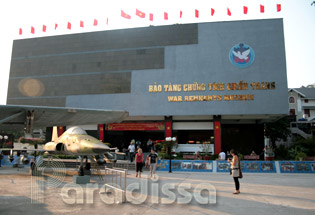
War Remnants Museum of Saigon Vietnam
3/ The Notre Dame Cathedral
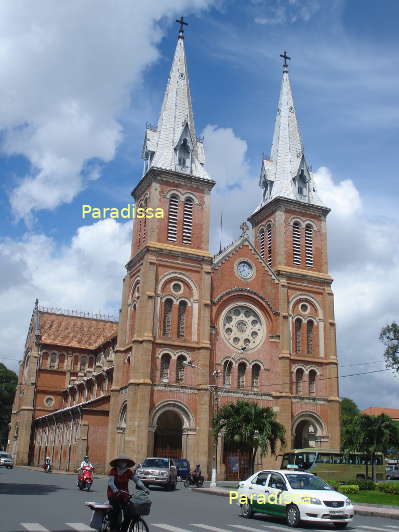
The Notre Dame Cathedral has very stunning architecture with construction materials brought from France.
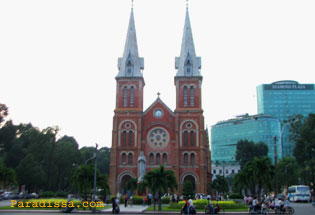
Saigon Notre Dame Cathedral
4/ The General Post Office
The General Post Office was built with French architecture and there is where you get a chance to send postcards to your beloved ones.
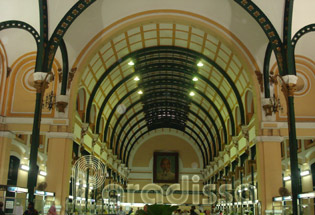
The beautiful dome architecture of Saigon General Post Office
5/ The Municipal Theater
The Municipal Theater used to be the Parliament Building of South Vietnam in the war.
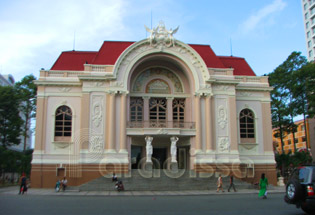
Saigon Municipal Theater, the building was once the Parliament Building of South Vietnam Republic
6/ Giac Lam Pagoda
7/ The Emperor of Jade Temple
The temple shows the Court of Heaven with menacing statues.
8/ Thien Hau Pagoda, Binh Tay Market and China Town
These sites are where to learn about the daily life of the biggest Chinese Community in Vietnam.
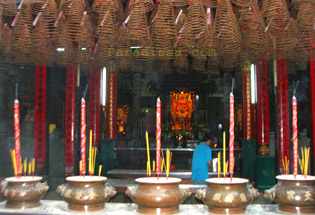
The Thien Hau Temple
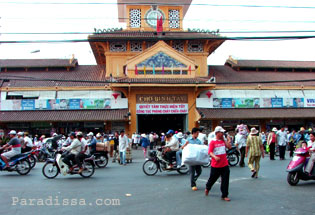
Saigon Binh Tay Market
9/ Ben Thanh Market
The market is located right in the city center with a wide range of souvenirs. It is hard to find a visitor to Ho Chi Minh City without visiting this market!
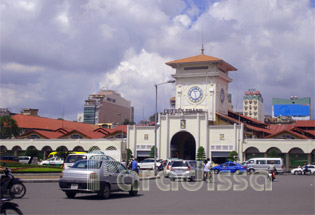
Saigon Ben Thanh Market
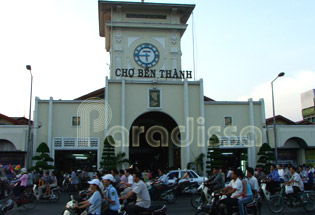
Ben Thanh Market Saigon Vietnam
10/ History Museum
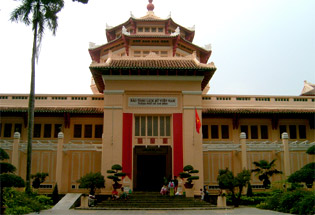
Saigon History Museum
Things to do Saigon, Luxury Holidays, Historical Tours in Ho Chi Minh City
It would take you a day to tour different highlights of Ho Chi Minh City. Paradissa Travel would include half a day tour of Ho Chi Minh City into our normal tour itineraries.
Ho Chi Minh City is the base for trips to the vicinity including the verdant Mekong Delta, Phan Thiet Mui Ne beaches, the mysterious Central Highlands, and Vung Tau seaside city.

1/ Luxury Holidays
Saigon Ho Chi Minh City along with Hanoi has had a longer history of luxury travel compared to other places in Vietnam. The rich history of the city is reflected by the century-old luxury hotels, full range of luxury tourist services and the diverse fine-dining restaurants with different styles of gastronomy.
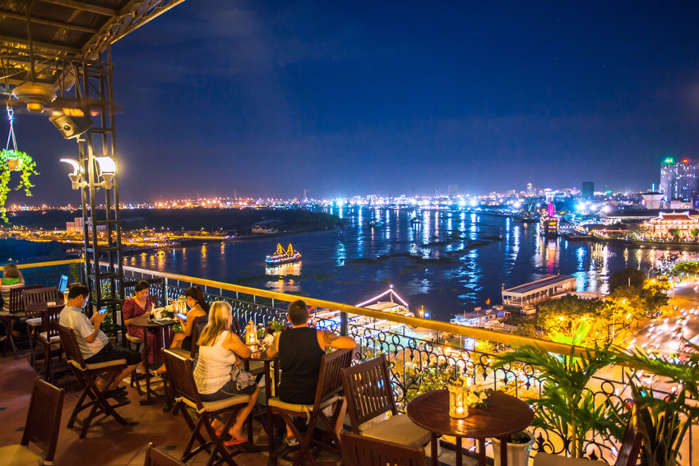
Ho Chi Minh City Saigon is always among the first cities that travelers would think of for their luxury holidays in Vietnam. You may want to stay a few days or a few weeks in the city relaxing, taking day tours, shopping, enjoying a wellness treatment, having your health checked... There is no doubt that whatever your requests might be, you get the quality service here.
2/ Historical Tours, Battlefield Tours
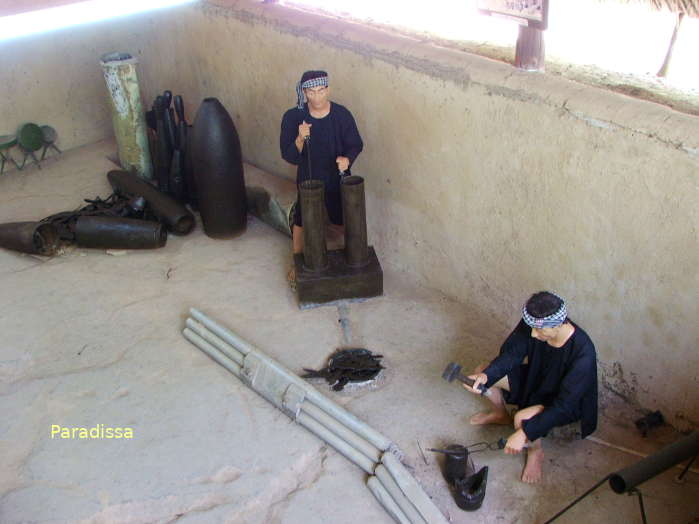
Ho Chi Minh City Saigon is among the youngest places in Vietnam but the history is just so rich and stuffed with events that define the recent course of the Vietnamese history. You can join Paradissa on one of our historical tours to learn about the history and the course of events that have important impact on Vietnam and to some extent the world. Besides, Paradissa offers a few battlefield tours for travelers who are interested in military history and military strategies. The tours can range from one day to several days and can be combined with former battlefields in other places in Vietnam; each of these battlefield tours is to focus on one or a few related themes.
3/ Family Tours
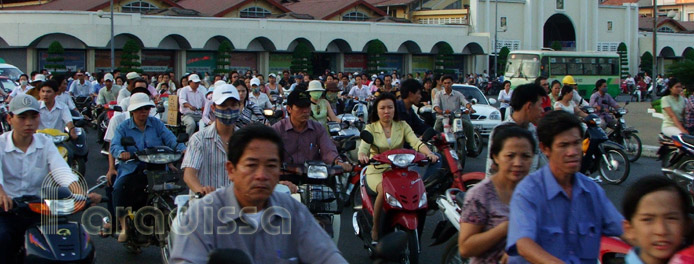
Your family will love Ho Chi Minh City (Saigon) as soon as you get used to the chaotic traffic which may be overwhelmed for the first couple of days! The key points here are to watch and learn from the locals and take it calmly and slowly. Paradissa tour guide know how to engage you into the traffic in any city in Vietnam easily.
Once your family can navigate in the traffic in Ho Chi Minh City comfortably, then comes the fun part. You should have no problem finding good services or activities for kids. You may want to visit the theme parks, water parks, the zoo, have leisurely walk in the leafy parks in the city, discover to exotic life in the Mekong River on day trips, have some good time by the beach or seaside, get lost amid the wild nature of the Can Gio Forest... Keep in mind that the sea with lovely beaches is only more or less 100km away, the forest is 50km away and the verdant Mekong Delta with amazing lifestyle is approximately 100km away... Paradissa has interesting collection of family tours for your family to discover Ho Chi Minh City and Southern Vietnam, and have great time together!


Accommodation
There is a wide choice of accommodations in Ho Chi Minh City ranging from basic family-run hotels to luxurious 5 star ones. Those around District 1 have the highest rates of the same categories and very convenient for touring, dining and shopping. Booking accommodation in Ho Chi Minh City is difficult in high tourist seasons and early bookings are recommended.
Getting there and away
By air:
There are daily flights between Ho Chi Minh City and major cities in Vietnam such as Hue, Nha Trang, Da Nang, Da Lat and Ha Noi.
There are also direct flights between Ho Chi Minh City and major hubs in the world such as those in the US, Europe, Australia, Japan and other South East Asian countries. Please contact Paradissa Travel for further details for the flights from your location.
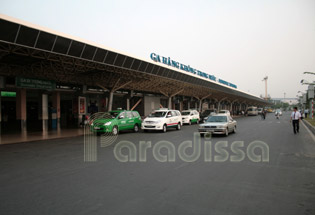
The Tan Son Nhat Airport of Ho Chi Minh City (Saigon) Vietnam
By train:
There are daily trains between Ho Chi Minh City and other cities in Vietnam such as Nha Trang, Da Nang, Hue, Quang Binh, Quang Tri...The trains are in fairly good conditions with hard seats, soft seats, air-con soft sleepers....But they are not yet to be luxurious. The trains between Ho Chi Minh City and Ha Noi take 30 hours to 42 hours depending on each type. There’s also a tourist train for the travellers who wish to travel between Ho Chi Minh City and Nha Trrang.
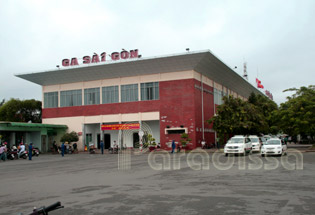
Saigon Train Station
By road:
The road system is Vietnam has been dramatically improved since 2000. There are daily buses between Ho Chi Minh City and most other destinations in the contry. You can also travel between Ho Chi Minh City and Phnom Penh (Cambodia) by road.
Getting around
On foot:
District 1 of Ho Chi Minh City is fairly small and can be explored on foot for a couple of hours.
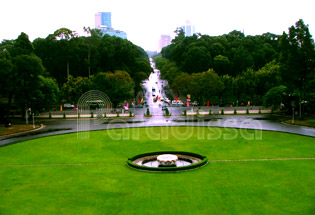
The leafy streets of Ho Chi Minh City - Saigon Vietnam
By Xe Om (motorbike taxi):
There are many Xe Oms around every street corner of Ho Chi Minh City. You must remember that it’s fun and somewhat adventurous traveling on motorbike, still the price has to be agreed on before setting off.
By Taxi:
There are many taxi companies operating in the city. There are ubiquitous that you don’t have to remember their contact details.
The center and the riverside of Ho Chi Minh City boast the glittering skyscrapers which are home to deluxe apartments, offices and luxury hotels. The riverside can best be viewed from a boat cruising on the Saigon River at night. The city center is where many of the city’s tourist attractions, hotels, fine-dining restaurants and buzzing night life are found. There are some rooftop restaurants and bars in the center which can offer the panoramic view of the city from above. Cho Lon (China Town) is home to the biggest Chinese Community in Vietnam with Chinese-styled temples and pagodas full of atmosphere.
Tan Son Nhat Average Monthly Rainfall and Temperatures