

August is about the end of summer and about the beginning of autumn in northern Vietnam; is between the dry season and rainy season with tolerable or pleasant temperatures in the Central Coast, the rainy season with pleasant temperatures in the Central Highlands, and the rainy season with pleasant temperatures in Southern Vietnam.
In northern Vietnam, August is the time of sun, clouds, occasional rain, pleasant, temperatures.
The Central Coast often has sun or clouds with warm or pleasant temperatures. There may be rain in the Central Coast in August, but the rains don't normally last long. The Southwesterly Monsoon (or locally known as the Westerly Wind or Lao Wind) is a foehn wind in this region. But there are other factors like to Tropical Convergence Zones and air troughs which are more dominant and which are to cause the weather more tolerable or pleasant in August.

Since there are several climatic weather factors at work in August that may change the normal weather conditions in the Central Coast of Vietnam.
The Central Highlands and southern Vietnam often have heavy rain and mostly pleasant temperatures in August due to the active Southwesterly Monsoon from the Equator.
The sea is rough Vietnam in August which is much worse during the time of a typhoon, but sea exploration tours could be operable in most places. There may be typhoons in Vietnam in August which would more likely affect the North.

Again, Vietnam is a narrow country with a long coastline and the country is to be affected tremendously by any change in sea temperatures and/or climate change. This is the reason that the weather patterns in Vietnam nowadays may vary from year to year and could be totally different from the norm.
Recap of Vietnam Weather in 2026
1/ In January of 2026
it is found that the weather patterns were not normal:
- Winter in northern Vietnam was mostly with pleasant temperatures, only two periods with cold temperatures and each was for 4-5 days. The region enjoyed autumn-like weather from October 2025 through January 2026.
- The Central Coast of Vietnam had sun mostly after the first week of January 2026. It is normal that this region starts having dry season from late February. The temperatures were very pleasant.
- The Central Highlands and southern Vietnam had lower temperatures than normal: 8oC and 14.3oC respectively.
- Southern Vietnam had torrential rain for a day in the middle of the dry season.
2/ In February 2026
All of Vietnam enjoyed mostly dry weather with pleasant sun and temperatures. Quite a few plant species started yielding flowers 1 to 1.5 month later than normal. So did the presence of migratory birds.
3/ In March 2026
There were unseasonable rain in the Central Coast, in the Central Highlands and in southern Vietnam. There were hails and strong gusts of wind in Ha Giang, Son La, Yen Bai Provinces which are very unusual.
The lowland of northern Vietnam experienced some rain and mostly dry weather and the extremely moist air was not found in the region as compared to normal.

4/ In April 2026
We did not find the moist air in most of northern Vietnam at the beginning of the month as normal. This is rare.
There was rain in the Central Coast, in the Central Highlands and in southern Vietnam in April which was extremely different from normal as it was supposed to be a dry time.
In Son La, there was hail which destroyed houses and crops.
In the Northwest of Vietnam, there was rain and the temperatures were pleasant mostly. This is not the norm that it is dry and bright sun, high temperatures.
In Long An and Dong Thap Provinces in the Mekong Delta, rain accompanied by strong winds destroyed hundreds of houses.

5/ In May 2026
The North had two brief heat strike each of which lasted 2-3 days in the second and last decades of May 2026. The region also had some weak spells of the Northeasterly Wind in the first and second decades of the month. The second spell of the weak and cool wind was just in time to put an end to the first heat strike in the region.
There were floods in Quang Ninh and Cao Bang Provinces in the second decade of May 2026 which are rare.
Rainy season started in southern Vietnam in the third week of May 2026 which is quite late compared to normal.
Southern Vietnam experienced hot temperatures throughout May. Normally when the region has the rain of the rainy season, then the temperatures turn pleasant or tolerable mostly.

6/ In June 2026
Northern Vietnam suffered from 3 heat strikes in June 2026, each of which lasted for about 3 days. The heat strikes in the second and third decades were extremely bad with high temperatures in the North reaching 40oC and those in the North of the Central Coast reaching over 42oC.
In the second decade of June 2026, there was a brief spell of the cool Northeasterly Wind which put an end to the ongoing carnage of the heat strikes in the North and in the Central Coast. The "Winter Wind" hitting northern Vietnam in June, which is in mid summer, is extremely rare.
For the last 4 days of June 2026, pleasant temperatures returned to northern Vietnam caused by rain across the region, while a heat strike still went on to most of the Central Coast of the country.
There was a flood in Cao Bang in the last decade of June 2026 which is not usual.
The Central Highlands and southern Vietnam had rain and heavy rain for most of June and the two regions enjoyed mostly pleasant temperatures. Southern Vietnam had some days with intense sun and warm temperatures.
There was no typhoon affecting the inland of Vietnam in June 2026.

7/ In July 2026
- Northern Vietnam enjoyed pleasant weather with mild sun, clouds, breezes, short-lived rains, pleasant temperatures throughout the month.
- Typhoon Maysak (Typhoon No. 1 in 2026) made landfall at Mong Cai in the first decade of July.
- It rained more in northern Vietnam and North of the Central Coast of Vietnam (15-30%) compared to normal.
- Typhoon Noul (No. 2) made its way into mainland China and did not have much impact on Vietnam in the last decade of July.
- There was hot days alternated by days with tolerable or pleasant temperatures in the Central Coast. There were isolated rains in the region.
- The Central Highlands had rain and pleasant temperatures.
- Southern Vietnam had sun, rain, warm temperatures and pleasant temperatures.
Monsoons in Vietnam in August
In August there are two main monsoons affecting Vietnam:
- The Southeasterly Monsoon which blows mostly in northern Vietnam which causes moist air and pleasant temperatures.
- The Southwesterly Monsoon which comes from the Equator and which causes daily rain in the Central Highlands and in southern Vietnam.
- The Westerly Wind, which is actually the Southwesterly Wind blowing through Myanmar, Laos, Thailand before hitting the Central Coast of Vietnam, is a foehn wind. This wind causes brighter sun, dry air and hot temperatures in the affected regions. But there are often air troughs, tropical convergence zones, tropical depressions,... with axis across the North or the Central Coast that are more dominant factors than the foehn wind. This is why the temperatures in the region tend to be either tolerable or pleasant.
The Terrain and Climatic Factors Impact on the Weather in Vietnam in August
1/ The mountain ranges in Vietnam often runs from the northwest to the southeast
Most mountains in Vietnam follows this direction with the exception of the Truong Son Mountain Range which runs from the North of the Central Coast to the west of the Central Highlands, or along the north-south axis.
This factor helps to facilitate the blow of the Southeasterly Monsoon and the Southwesterly Monsoon. The Southwesterly Monsoon is known locally as the Lao Wind or Westerly Monsoon in the North West and the Central Coast of Vietnam. This wind is a foehn wind in the Central Coast of Vietnam. This wind is also the foehn wind in the Northwest of Vietnam from March to May.
But later after May in the Northwest of Vietnam, the Southwesterly Wind (or Weasterly Wind) helps to accumulate humidity and clouds to the region and helps to cause heavy rain. It is because of high humidity in the whole of northern Vietnam and it is the direction of the mountains that helps to push humidity and to form clouds over the Northwest, hence heavy rain.
2/ Hot Air Regions in the Troposphere, Air Troughs, Tropical Convergence Zones, Clockwise Cyclonic Circulation (by Storms or Tropical Depressions)
Because of high humidity in the whole of northern Vietnam in August caused by the active Southeasterly Monsoon, Southwesterly Monsoon facilitated by the direction of the terrain (and the mountains), it often rains more in northern Vietnam in August.
In case of a typhoon or tropical depression, the clockwise cylonic circulations help to push moisture and clouds over the North, hence heavy rain in the whole region. This often in combination of other favorable factors by the monsoons and terrain creates synergy for heavy rain in the North, be it the Northwest, the Northeast or the lowlands (including the Red River Delta.
The Central Coast of Vietnam is under impact of the Southwesterly Monsoon. But this wind, after blowing over the Truong Son Mountain Range (running north-south in the west of this region), becomes a foehn wind, hence dry air and high temperatures. But in case of a typhoon or tropical depression, the foehn wind ceases to have impact and strong or violent winds hit the region from the opposite direction: expect heavy rain and worse torrential rain, especially in the region to the west.
The Central Coast of Vietnam is a narrow strip of land (the narrowest part of 40km) with high mountains to the west and low flat coastal plain: the terrain is steep and in case of heavy rain, expect devastating consequences.
The Central Coast may also under impact of the often hot air region in the troposphere to the west of Vietnam. But again, this is a minor factor in August due to other climatic factors as mentioned above.
The Southwesterly Monsoon is more active and it causes heavy rain in the Central Highlands and in southern Vietnam in August.
There are often air troughs or tropical convergence zones with the axis across northern Vietnam, North of the Central Coast of Vietnam in August and they help to accumulate clouds that cause heavy rain to the regions.
What to expect from your holidays to Vietnam in August, where to go in Vietnam in August?
Taking the general weather conditions in Vietnam into consideration, for those travelers planning tours to Vietnam or those who are on holiday in Vietnam in August, then there are some notes as follows:
- August is a fine time to visit Vietnam given the dry weather mostly: August is not known for long-lasting rainy weather across the country. You are to get pleasant temperatures in the Central Highlands and in southern Vietnam, but tolerable temperatures in the Central Coast and pleasant temperatures northern Vietnam.
In northern Vietnam, it is often a good time from the second half of August to go on trekking tours, biking trips to the far northern mountains. But this is not applicable during the time of a typhoon which often causes devastating flash floods in the far northern mountains.
All trips through the lowland of the North are more likely to experience beautiful weather with caressing sunshine, pleasant temperatures. This does not apply to the time when there is a typhoon hitting the region.
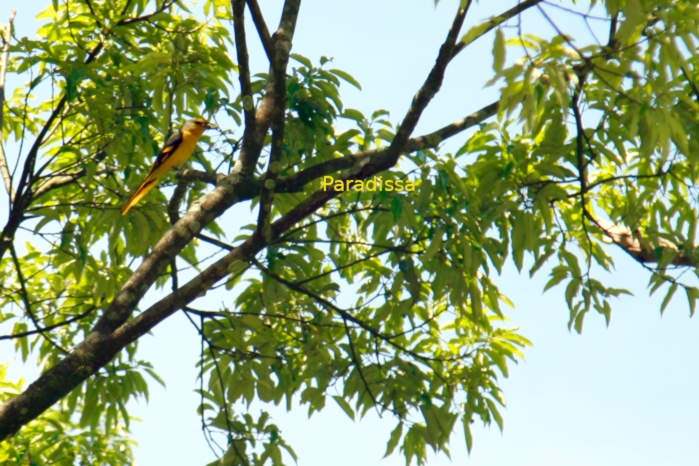
August is getting to be a fine time for birding in the North of Vietnam. It is more likely better experiences to go on birding trips in the Central Highlands and in southern Vietnam this month, but there is daily rain which could last from an hour to a few hours each day.
Most local resident birds in Vietnam are out of the period of nesting and mating. Food is mostly abundant given frequent rain. Birds are not desperate to come out for food everyday, but they are more gregarious with the pleasant weather and more opportunities to watch them in the wild compared to July.
It is more likely that sea exploration tours like scuba-diving, snorkeling... are to be operable in all places, except for the time of a typhoon. But be vigilant with safety conditions and expect rough sea.
The beaches in the Central Coast from Quang Binh to Nha Trang: Nhat Le, Cua Viet, Da Nang, Hoi An, Quang Ngai (Sa Huynh), Quy Nhon, Tuy Hoa, Doc Let, Nha Trang... are to offer great beach vacations.
The beaches in Vung Tau, Long Hai and Mui Ne, Phan Thiet are good options near Saigon Ho Chi Minh City.
Con Dao Islands, Phu Quoc Island are to have sunny weather with lovely temperatures of 26-30oC.
The sea could be rough in August, but island vacations or sea exploration tours are to be operable. But, a typhoon in August could cause disruption to boat trips and flights between the inland and the islands across Vietnam, and it has happened that several thousand tourists are stranded on islands across the country due to typhoons.
Below you can find Paradissa’s reviews and statistics of the weather in different regions in Vietnam in August 2026
1/ Vietnam Weather in the First Decade of August 2026
In the first 10 days of August 2026, northern Vietnam had pleasant weather with sun, clouds, rain, breezes and pleasant temperatures.
Typhoon Kujira, No. 3 in 2026, did not make landfall in inland Vietnam.
The Central Coast of Vietnam had sun, clouds, rain and pleasant temperatures.
The Central Highlands had sun, clouds, rain and pleasant temperatures.
Southern Vietnam had sun, clouds, rain and pleasant temperatures.
Regional weather patterns in Vietnam in the first 10 days of August 2026 :
- Northeast (Lang Son, Cao Bang, Bac Kan, Quang Ninh, Halong Bay, Hai Phong...): sun, clouds, rain, 24-36 oC ;
- Northwest: sun, clouds, rain, 26-37 oC in Hoa Binh, Yen Bai; sun, clouds, rain, 26-37 oC in Lao Cai; clouds, rain, 21/22-31 oC in Son La, Dien Bien Phu, 20-27 oC in Lai Chau.
- Lowlands (Hanoi, Ninh Binh...): sun, clouds, rain, 27-37 oC.
- North of the Central Coast (Thanh Hoa, Nghe An, Ha Tinh): sun, clouds, rain, 26-38 oC in Thanh Hoa, 26-36 oC in Nghe An and Ha Tinh;
- Central Coast from Quang Binh, Quang Tri to Hue: sun, clouds, rain, 28-35 oC in Quang Binh, Quang Tri, 28-36 oC in Hue;
- Central Coast from Da Nang, Quang Nam, Hoi An to Quang Ngai: sun, clouds, rain, 28-36/39 oC;
- Central Coast from Quy Nhon to Tuy Hoa: clouds, some rain, 28-33 oC ;
- Central Coast in Nha Trang, Khanh Hoa: sun, clouds, some rain, 28-34 oC ;
- Central Coast Ninh Thuan: sun, clouds, rain, 26-34 oC ;
- Central Coast Binh Thuan: sun, clouds, rain, 24-34 oC ;
- Central Highlands (Kon Tum, Gia Lai, Dak Lak, Dak Nong, Lam Dong): clouds, rain, 21/22-25/27 oC in Kon Tum, Pleiku, 23-28 oC in Dak Lak ; clouds, rain, 21-25 oC Lam Dong;
- East of Southern Vietnam (Ho Chi Minh City, Dong Nai, Binh Duong, Binh Phuoc, Tay Ninh): sun, clouds, rain, 26-33 oC ;
- West of Southern Vietnam ( The Mekong Delta : Long An, Vinh Long, Tra Vinh, Ben Tre, Ca Mau, Bac Lieu, Can Tho, Vinh Long, Chau Doc, Kien Giang): sun, clouds, rain, 26-32 oC ;
Con Dao Islands had clouds, rain, 28-31 oC.
Phu Quoc Island enjoyed clouds, rain, 26-31 oC ;
2/ Vietnam Weather in the second decade of August 2026
In the second 10 days of August 2026, northern Vietnam had warm and hot weather with sun, clouds, rain, breezes and mostly hot or warm temperatures.
The Central Coast of Vietnam had sun, clouds, rain and hot temperatures.
The Central Highlands had sun, clouds, rain and pleasant temperatures.
Southern Vietnam had sun, clouds, rain and pleasant temperatures.
Regional weather patterns in Vietnam in the last days of the second 10 days of August 2026 :
- Northeast (Lang Son, Cao Bang, Bac Kan, Quang Ninh, Halong Bay, Hai Phong...): sun, clouds, rain, 24-33 oC ;
- Northwest: sun, clouds, rain, 26-36 oC in Hoa Binh, Yen Bai; sun, clouds, rain, 26-36 oC in Lao Cai; clouds, rain, 21/22-30 oC in Son La, Dien Bien Phu, 21-27 oC in Lai Chau.
- Lowlands (Hanoi, Ninh Binh...): sun, clouds, rain, 27-37 oC.
- North of the Central Coast (Thanh Hoa, Nghe An, Ha Tinh): sun, clouds, rain, 27-36 oC in Thanh Hoa, in Nghe An and Ha Tinh;
- Central Coast from Quang Binh, Quang Tri to Hue: sun, clouds, rain, 27-38 oC in Quang Binh, Quang Tri, in Hue;
- Central Coast from Da Nang, Quang Nam, Hoi An to Quang Ngai: sun, clouds, rain, 27-38 oC;
- Central Coast from Quy Nhon to Tuy Hoa: clouds, some rain, 28-36 oC ;
- Central Coast in Nha Trang, Khanh Hoa: sun, clouds, rain, 26-35 oC ;
- Central Coast Ninh Thuan: sun, clouds, rain, 27-37 oC ;
- Central Coast Binh Thuan: sun, clouds, rain, 26-34 oC ;
- Central Highlands (Kon Tum, Gia Lai, Dak Lak, Dak Nong, Lam Dong): clouds, rain, 22-28/26 oC in Kon Tum, Pleiku, 23-30 oC in Dak Lak ; clouds, rain, 21-26 oC Lam Dong;
- East of Southern Vietnam (Ho Chi Minh City, Dong Nai, Binh Duong, Binh Phuoc, Tay Ninh): sun, clouds, rain, 26-34 oC ;
- West of Southern Vietnam ( The Mekong Delta : Long An, Vinh Long, Tra Vinh, Ben Tre, Ca Mau, Bac Lieu, Can Tho, Vinh Long, Chau Doc, Kien Giang): sun, clouds, rain, 26-33 oC ;
Con Dao Islands had clouds, rain, 28-31 oC.
Phu Quoc Island enjoyed clouds, rain, 26-31 oC ;
3/ Vietnam Weather in the last decade of August 2026
In the third decade of August 2026, there was a typhoon in the East Sea coded Narra. This was the 4th Typhoon in 2026. The typhoon had a strange path going back and forth in the Gulf of Tonkin for a few days before hitting southern China. The typhoon caused torrential rain in several places in northern Vietnam causing floods in Quang Ninh, Lang Son, Bac Ninh, Cao Bang,...

The North had rain, clouds and some sun with pleasant temperatures mostly and some days with slightly warm temperatures.
The Central Coast of Vietnam had hot temperatures.
The Central Highlands and southern Vietnam had rain and pleasant temperatures mostly.
Regional weather patterns in Vietnam in the last days of the last 10 days of August 2026 :
- Northeast (Lang Son, Cao Bang, Bac Kan, Quang Ninh, Halong Bay, Hai Phong...): sun, clouds, rain, 21-32 oC ;
- Northwest: sun, clouds, rain, 22-35 oC in Hoa Binh, Yen Bai; sun, clouds, rain, 23-34 oC in Lao Cai; sun, clouds, rain, 19-28/20-30 oC in Son La, Dien Bien Phu, 19-27 oC in Lai Chau.
- Lowlands (Hanoi, Ninh Binh...): sun, clouds, rain, 26-35 oC.
- North of the Central Coast (Thanh Hoa, Nghe An, Ha Tinh): sun, clouds, rain, 24-35 oC in Thanh Hoa, in Nghe An and Ha Tinh;
- Central Coast from Quang Binh, Quang Tri to Hue: some sun, clouds, rain, 26-37 oC in Quang Binh, Quang Tri, in Hue;
- Central Coast from Da Nang, Quang Nam, Hoi An to Quang Ngai: sun, clouds, rain, 27-38 oC;
- Central Coast from Quy Nhon to Tuy Hoa: clouds, some rain, 27-36 oC ;
- Central Coast in Nha Trang, Khanh Hoa: sun, clouds, rain, 25-35 oC ;
- Central Coast Ninh Thuan: sun, clouds, rain, 26-36 oC ;
- Central Coast Binh Thuan: sun, clouds, rain, 25-34 oC ;
- Central Highlands (Kon Tum, Gia Lai, Dak Lak, Dak Nong, Lam Dong): clouds, rain, 22-29 oC in Kon Tum, Pleiku, 22-30 oC in Dak Lak ; clouds, rain, 20-26 oC Lam Dong;
- East of Southern Vietnam (Ho Chi Minh City, Dong Nai, Binh Duong, Binh Phuoc, Tay Ninh): sun, clouds, rain, 26-33 oC ;
- West of Southern Vietnam ( The Mekong Delta : Long An, Vinh Long, Tra Vinh, Ben Tre, Ca Mau, Bac Lieu, Can Tho, Vinh Long, Chau Doc, Kien Giang): clouds, rain, 26-32 oC ;
Con Dao Islands had clouds, rain, 28-31 oC.
Phu Quoc Island enjoyed clouds, rain, 26-30 oC ;
Disclaimer: Vietnam weather summary is for reviews of Vietnam weather by month on the basis as “it is” to the best of our knowledge. Paradissa does not guarantee the accuracy of our monthly reviews of Vietnam Weather. Our Vietnam Weather Reviews by month must not be used for making travel decisions or for any other purposes. Paradissa disclaims any liability in connection with with the use of our information.